
What is Biofeedback?
Biofeedback is a broad term describing the use of various devices that allow patients to receive information about how their body is responding to pain and stress. This feedback allows patients to practice effective ways for managing their body's physical response. In the treatment of pain, biofeedback is often used to help promote physical relaxation.
By being able to observe how the body responds, patients can learn and train themselves to relax more effectively. Biofeedback is often used in combination with specific skills such as diaphragmatic breathing, meditation, or other forms of relaxation. Biofeedback allows patients to receive direct feedback about whether what they are doing is having the intended effect.
How does Biofeedback work?
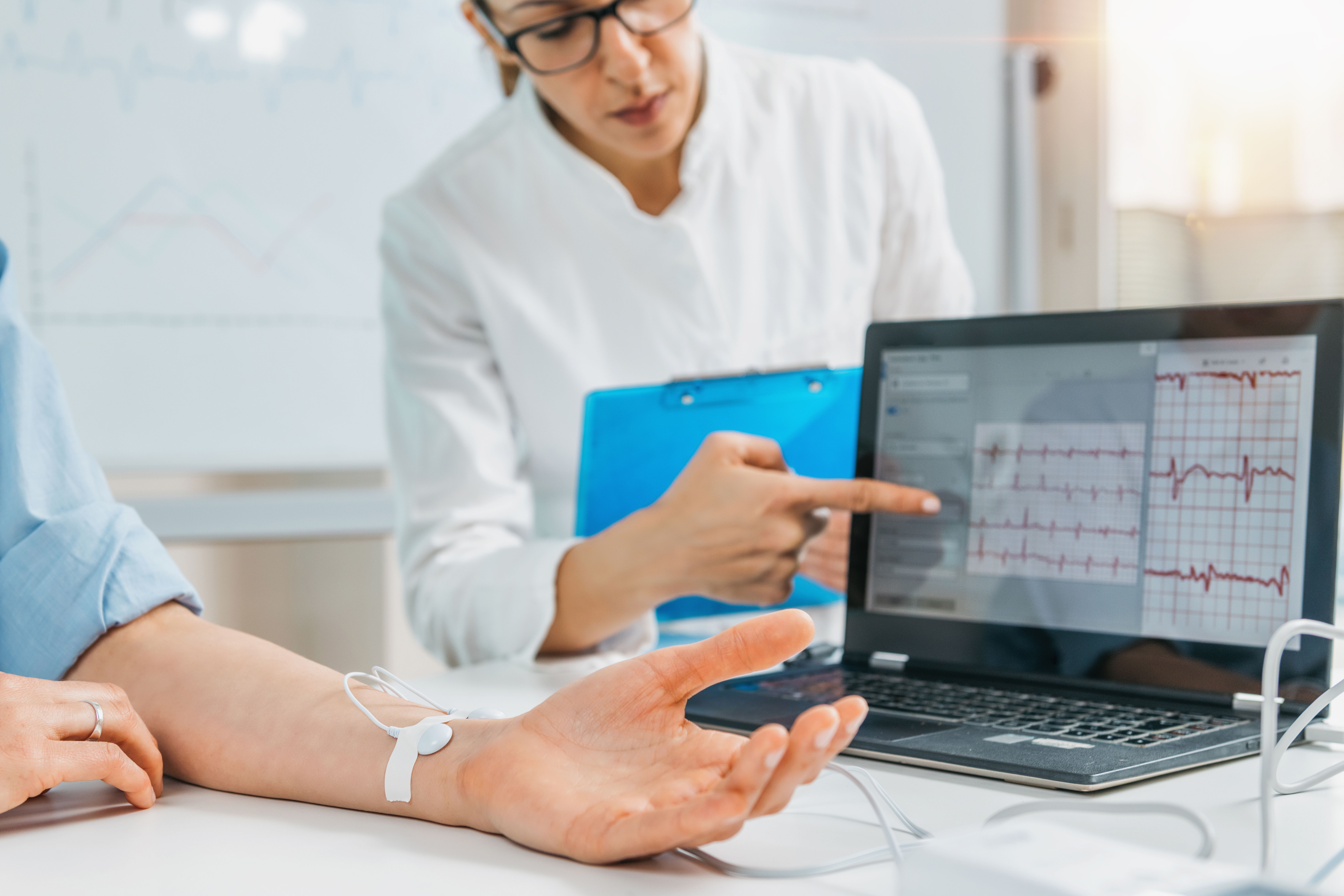
Biofeedback typically involves being connected to a computer or some wearable device. These devices are used to measure one or more biological responses including breathing, heart rate, muscle tension, skin conductance (e.g. sweating), temperature, or brain wave activity. Changes in these physical responses have been shown to be related to pain, tension, and stress.
A biofeedback device is used to monitor a patient's physical response as they engage in new pain management skills and helps them to refine the use of their new skills. One primary target for biofeedback is sympathetic nervous system arousal (fight or flight) which is active when in pain and can be effectively managed with practice.
What other names might this go by?
Traditional biofeedback is likely to be provided by a licensed medical professional. Biofeedback may be performed as a component of another treatment such as interdisciplinary care, physical therapy or psychology. Neurofeedback is a specific type of biofeedback focused on brain wave activity.
Who can provide Biofeedback services?
Biofeedback services can be performed by several different types of providers. Biofeedback is often performed by individuals holding other licensure such as Physical Therapists, Psychologists, Social Workers, etc. The Biofeedback Certification Institute of America (BCIA) also provides certification for providers trained in the use of biofeedback.
What to expect
A device will be connected to the patient in one or more ways. Common forms include attaching sensors to the finger tips, affixing sensors to problem muscle groups, use of respiration bands, or attaching temperature sensors. Biofeedback is a measurement tool and there should not be any discomfort associated with receiving biofeedback.
Once connected, a patient will likely be provided with visual/auditory feedback on their performance. The provider will help the patient to identify specific targeted outcomes, which are often focused on increasing the relaxation response in the case of chronic pain treatment. The ultimate goal is to develop self-management skills that can eventually be used without the biofeedback device.
Potential Risks
Biofeedback is generally considered safe, with minimal risk. Certain forms of biofeedback devices may not work effectively on individuals with certain medical conditions. Patients are encouraged to discuss use of biofeedback with their provider before engaging in treatment.
Resources
Applied Psychophysiology and Biofeedback: https://www.aapb.org
Biofeedback Certification International Alliance – Find a Practitioner: https://certify.bcia.org
Psychology Today: https://www.psychologytoday.com/us/therapists/biofeedback