
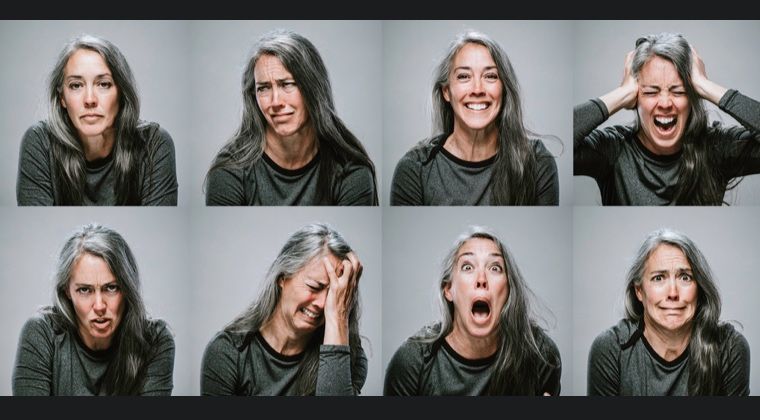
Our emotions can affect how we experience pain.
Please watch the video here on how emotions impact pain. (Run time: 4:26 minutes)
- Having a self-management plan in place is important for when you have a symptom flare-up.
- It can also be useful to have strategies in place to manage emotional flare-ups.
- Pain is influenced by emotions.
- Because of this, you need to be prepared to manage emotions during times of pain flare-up and or stress.
- Emotional management can help limit the negative impact of pain and stress on your overall health and life.
Please click through each tab to learn more
Identification of triggers
It can help to identify situations that can bring on strong emotions or stress. Consider asking yourself:
- What usually triggers strong emotions or stress for me?
- Are these triggers also accompanied by a pain flare-up?
- Can I identify any unhelpful thoughts that trigger strong emotions/stress?
Strategies
Once you have identified your triggers, you can think about how best to handle them to prevent or reduce the intensity of emotions or stress.
- What has worked for you in the past?
- What has calmed you down, or helped you get through difficult moments?
- Do you have any ideas about what might help you in the future when this happens?
Here are some tips that may be helpful when thinking about putting ideas into practice:
- Don't forget about the basics. Be sure to take care of your body's basic needs, including food, sleep, water, and medications.
- Having basic needs met can help ease strong emotions.
- Include strategies that have worked for you in the past.
- Start with a strategy that will help you calm down, soothes you, or gets you focused, like a mini-relaxation exercise or talking with someone supportive.
- Don't forget the power of positive emotions for managing difficulties.
- Written reminders can help you remember strategies you want to try.
Daily Review
- Journaling helps to improve self-awareness.
- It helps you to see unconscious patterns and limiting emotions
- You can practice recording negative emotions, conflicts, and anxieties
Enjoying yourself
- It is important to find time to do things you enjoy. Having fun helps manage pain.
- When you have pain, enjoying yourself may seem impossible.
- Engaging in pleasant activities is not only an important part of life, but also an important part of pain treatment.
- If you are like most people with pain, you may be doing only what is "necessary," such as chores or work, but not taking time for yourself.
- Taking time for some personal enjoyment helps to rejuvenate both the body and mind. It may also help you:
- Become distracted from your pain.
- Improve your mood.
- Connect with other people.
- Add balance to your life.
- Enjoying yourself may seem selfish at first because you feel that you should spend your time taking care of the people around you or doing household chores.
- Taking time to care for yourself is important!
- Spending time doing things you enjoy may help you take control of your life by balancing your responsibilities with fun.
- Think about your physical and emotional energy as batteries.
- Energy drains from your batteries when you use energy to take care of daily tasks.
- If you recharge both your physical and emotional batteries, you may be able to do more for yourself and others.
Pain and life priorities
People who are living with chronic pain are more likely to report giving up the things they love and only doing less satisfying, but necessary tasks.
- Going to work, running errands, paying bills and taking care of cooking and cleaning are made a priority.
- Hanging out with friends, reading a book, spending time on your hobby, or even taking a long bath are skipped.
- This makes for a life that is not very enjoyable.
- For some, chronic pain has caused them to reconsider who they are and what they can or cannot do – this can have an impact on one's self-image and sense of purpose in life.
What can I do to bring more joy to my life?
- Many people without pain get their chores done first and then do something enjoyable.
- However, for people with pain, getting the chores done may mean not having any energy left for anything pleasant.
- People with pain need a balance of work and pleasant activities to remain functional.
- Pleasant activity scheduling is an approach that works for many people with pain.
- In other words, you schedule time for things that are pleasant just as you would schedule a "must do."
Please watch the video below on why managing emotions is important to managing pain.
Managing Emotions Why it is Important to Pain
Run time: 2:03 minutes
Please watch the next video on how to schedule pleasant activities.
Managing Emotions Pleasant Activity Scheduling 1
Run time: 3:23 minutes
How it’s done
Pick activities that you enjoy. Activities can include:
- Creating or enjoying music or art.
- Watching a movie or favorite TV show.
- Finding a hobby doing crafts, bird watching, or playing computer or board games.
- Playing with a family member or a pet.
- Spending time with a friend, either in person or on the phone.
- Taking time to text, write a letter, or email to an old friend.
- Reading a book or something to make you smile like jokes or comics.
- Getting some exercise, like taking a walk outside or dancing.
Pain may have changed what you are able to do.
- If a favorite activity seems too hard, you may need to rethink about what you enjoy for now.
- Don't allow pain to stop all forms of pleasant/enjoyable activity.
- Doing things that you enjoy, even for a short time, may help you feel better.
- For new ideas, look at magazines, use YouTube, or see what kinds of classes are offered online or close to where you live.
- If you need to change the way you do an activity, you can:
- Do it for a shorter period of time.
- Break it into smaller stages.
- Pace yourself and rest at set times so you don't overdo it (see ALLEVIATE-C section on Pacing).
- Do it with a friend or family member who can help you if you need it.
One way to make it easier to do fun activities is to start small.
- Set small, realistic goals – like five minutes of an activity instead of 15 or 30.
- This is a way to slowly add pleasant activities back into your routine.
Overcoming barriers and challenges
Enjoying yourself may not seem important when there are many demands on your time and energy, but recharging is good for you and those who care about you.
Below are some ideas to help you to overcome barriers and challenges.
Challenge 1: I don't have time for myself.
- Just as a car needs gas to run, you need to recharge and refuel your mind and body.
- Pleasant activities can be that fuel!
- Just taking five minutes to read a funny cartoon or a note from a friend may give you a little boost and help take your mind off your symptoms.
- If you don't take time to renew yourself, you may exhaust yourself and run out of gas.
Challenge 2: My pain is more serious than a funny cartoon.
- Engaging in pleasant activities is not meant to cure pain.
- It is designed to bring balance to your mind which is likely to be focused on pain.
- Pain can be experienced as being less intense if it gets processed in the brain against a background of pleasantness rather than negative emotions (e.g., despair, anger, anxiety, frustration).
Challenge 3: I want to take time to enjoy myself, but other people need me.
- Sometimes people may need to impose on your time.
- To protect this time, invite them to join you in an activity or you may want to set up clear rules about how much they can expect of you and when.
- Tell them you will be able to help them more if you have time to recharge yourself. The ALLEVIATE-C section on Communication may help you find ways to talk with them about your concerns.
Challenge 4: I'm having trouble enjoying myself.
- It can be frustrating when you are not enjoying your favorite hobbies the way you used to.
- You may be searching for new activities to enjoy.
- Keep a gratitude journal.
- Every day, write down one thing that you are grateful for.
- Gratitude journals help you appreciate things that are easily overlooked.
- By setting aside time for fun and giving yourself enough time to try things you may find:
- New activities you enjoy as much as your old hobbies.
- New ways to enjoy your old pastimes.
- New levels of energy that may allow you to do more.
- For more ideas of enjoyable things to do, try asking friends and family for suggestions, or see what's available in your local community.
Overcoming Barriers and Challenges
Just as a car needs gas to run, you need to recharge and refuel your mind and body. Pleasant activities can be that fuel! Just taking five minutes to read a funny cartoon or a note from a friend may give you a little boost and help take your mind off your symptoms. But if you don't take time to renew yourself, you may exhaust yourself and run out of gas.
Engaging in pleasant activities is not meant to cure pain. It is designed to bring balance to your mind which is likely to be focused on pain. If pain gets processed in the brain against a background of pleasantness rather than negative emotions (e.g., despair, anger, anxiety, frustration) it can be experienced as less intense.
Sometimes people may need to impose on your time. To protect this time, invite them to join you in an activity or you may want to set up clear rules about how much they can expect of you and when. Tell them you will be able to help them more if you have time to recharge yourself. The Communication Skills module may help you find ways to talk about this concern with them.
It can be frustrating when you are not enjoying your favorite hobbies the way you used to. Or you may be struggling to find new activities to enjoy. By setting aside time for fun and giving yourself enough time to try things you may find:
- New activities you enjoy as much as your old hobbies
- New ways to enjoy your old pastimes
- New levels of energy that may allow you to do more
For more ideas of enjoyable things to do, try asking friends and family for suggestions, or see what's available in your local community.
A Note for Family and Friends
A note for family and friends
- You may have given up personal time and interests to help take care of someone living with pain.
- It is important for you to take time to enjoy yourself. This can mean doing activities that you both enjoy.Try:
- Scheduling time for yourself to recharge each day.
- Using humor to help you stay positive.
- Finding activities that you can do together.
You can download, print, and use the PainGuide worksheets available here to support your self-care practices.
You can download, print, and use the PainGuide worksheets available here to support your self-care practices.
Use this worksheet to identify your stress triggers and develop a plan to handle them
Use this worksheet to help you to plan time for enjoyable activities each and every week