
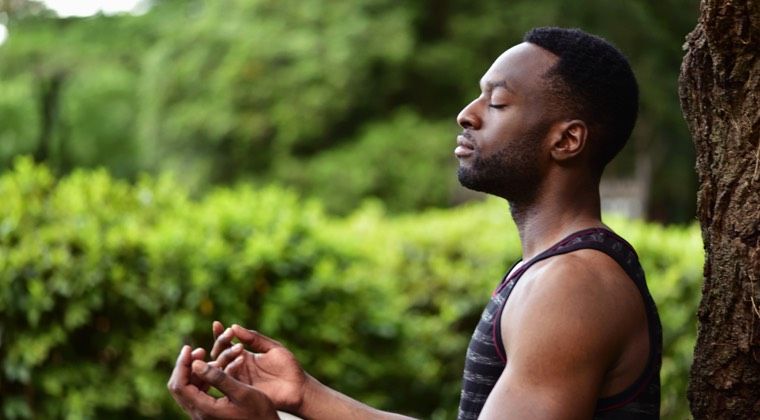
Teaching the body to relax can both relieve muscle tension and decrease stress. Less tension and stress can lead to decreased pain intensity.
Please click on the link to watch the video about relaxation.
Relaxation: What
Run time: 2:34 minutes
The relaxation response
When humans face a threat, our bodies respond through the fight or flight response.
- The body gets ready for action – literally, either ready to fight or ready to run to safety – by bringing extra blood flow to the muscles, raising heart rate and blood pressure, and increasing muscle tension for speed and strength.
- Like the body’s response to pain, the fight or flight response was intended for rare moments of extreme need to help you survive danger.
- The body was not meant to be this way all the time.
- Most importantly, these changes hurt our physical and emotional well-being if they persist for a long period, and may increase our pain, fatigue, and stress.
One of the most effective tools for managing pain, fatigue, and other symptoms is to learn how to stop or calm the fight or flight response.
- Ongoing symptoms of pain conditions do not need to be met by this alarm-type response.
- If we can calm ourselves, we can also calm our nervous system, reduce our stress, and give ourselves a chance to find other ways to cope with our pain, fatigue, and other symptoms.
We can calm our system through relaxation strategies.
- A state of relaxation is the opposite of the “fight or flight response.”.
- Relaxation is a very effective tool for managing pain, fatigue, sleep disorders, stress, and depressed mood experienced by people with chronic pain.
What does relaxation have to do with pain?
Relaxation is helpful for pain because:
- Tense muscles make pain worse.
- Your body naturally protects itself by tensing muscles around an area that hurts or that it needs to protect.
- Relaxation helps decrease this muscle tension that occurs when feeling pain.
- Relaxation is also a way to counter the well-known negative effects that stress has on pain and other physical problems (counteracts the “fight-or-flight” response).
- Areas of the brain that are involved in sensing and reducing pain benefit from relaxation.
Please watch the video below about how to use relaxation to reduce pain.
Relaxation: How
Run time: 2:16 minutes
Benefits of relaxation
- Helps decrease physical and mental tension that can make depression and anxiety worse.
- Helps you sleep better.
- A good way to take a break or “time-out” from stressful situations or emotions.
- A helpful activity you can do to take care of yourself.
- Improves planning and problem solving.
Achieving the relaxation response
- Restful activities such as lying on the couch or watching TV may not trigger the relaxation response.
- The relaxation response occurs when you teach your body how to relax more fully and on command by using active relaxation techniques, such as deep breathing.
- As you practice the techniques described next, they will become more natural and help you reach a calming state of relaxation.
This module will teach you how to:
- Experience the relaxation response
- Work through challenges and practice relaxation
- Use relaxation exercises in your daily life
- Manage your pain using relaxation
- ALLEVIATE-C offers you several different relaxation exercises to try. Practiced regularly, each will help you manage your pain.
- Types of relaxation:
- Autogenic
- Deep breathing
- Guided imagery
- Body scan
- Mindfulness meditation
- Mini progressive muscle relaxation
Relaxation Techniques
Skip accordion section (7 items)These exercises can be done in as little as 2 minutes. Feel free to download them to use in your daily life.
- Focuses on lowering physical arousal
- Trains the body to feel calm
- Also sometimes called belly breathing
- One of the easiest and most effective relaxation skills
- Uses mental imagery of calm and relaxing places
- Uses all your senses to produce vivid mental images.
- Mentally scan each part of your body, searching for stress/tension and letting it go.
- Focuses your attention on the here and now
- Allows negative thoughts to flow through and out of your mind without causing stress
- Rapid techniques for achieving the relaxation response
- Often used after mastering other longer techniques
- Can be more easily applied in real-world settings outside the home
- Relaxation can:
- Reduce the number and severity of painful episodes.
- Help build energy.
- The more you use relaxation, the better you will feel.
This skill, like all the skills described in ALLEVIATE-C, is most helpful when practiced regularly.
- We recommend that you practice relaxation exercises once a day for 10-30 minutes.
- Even practicing for a couple of minutes a day helps you learn this skill.
- Using it makes it become more and more automatic.
It’s also best, when you’re learning a new skill, to practice it when your symptoms are not at their worst.
- Try to find a quiet place to relax.
- You can practice relaxation with or without the assistance of guided recordings.
The more you practice, the more it will benefit you.
- It will help you when your symptoms are bothersome.
- Use the self-management log to track the time you spend practicing.
- You may also rate your stress level before and after practicing, using a 0-10 rating (0 = not at all stressed to 10 = worst stress/discomfort imaginable).
Overcoming Barriers to Practice
Your ability to relax can improve with regular practice.
- To start, try doing it just a few days or nights for a few minutes each week.
- With time, and as you learn how to do it, it may become easier for you to relax.
- You may start looking forward to your “relaxation time.”
Sometimes, other people need you, leaving you little or no time for yourself.
- Explain to them that having time for yourself to relax may help reduce your pain, raise your energy level, and ease your stress.
- To protect this time, you may want to talk with them about how much they can ask of you and when.
- Making time for yourself may feel selfish at first, but it is important that you make time to take care of you.
- The PainGuide Communication module can help you find ways to talk to others about this concern.
If the approaches discussed here aren’t working for you, there are other books, podcasts, YouTube videos, and classes that can help you learn more ways to relax.
- One way to know if you are doing it correctly is to practice most days.
- A good way to tell if you are being effective is to write down what you are doing. (See the PainGuide Worksheet for Relaxation).
Some people feel anxious or notice bodily discomfort when they first try relaxation. This is more common for people who are not used to sitting quietly with themselves. This new awareness of your body is normal, especially if you’re used to feeling tense.
- A small number of people may get very emotional and upset when they try certain relaxation techniques.
- If this happens to you, feel free to stop the relaxation technique.
- Talk with your healthcare provider about what you are feeling.
- If sitting still is hard for you, you might try doing a moving relaxation exercise.
- This might include doing some gentle stretches and focusing on your breathing or doing deep breathing practice while taking a slow and relaxing walk.
- As you get more and more comfortable with your relaxation practice, you can incorporate new things, such as being still.
- If you are having problems practicing, think about the benefits of relaxation for you.
- Go easy on yourself.
- It may take practice to make relaxation a regular part of your life.
A Note for Family and Friends
When the people we care about are struggling with their symptoms, it’s normal to want to help them.
- Helping someone with pain to relax or practice a relaxation technique, even for just a few minutes, may have important health benefits.
- You may find these techniques helpful for you too!
- You can support the person with pain by:
- Helping with daily chores and tasks so he or she has more time to take care of herself or himself.
- Doing a relaxation exercise together:
- Deep breathing.
- Stretching.
- Muscle relaxation.
- Meditation.
- Encourage the person you care about to take time to enjoy other calming activities such as:
- Going for a walk.
- Watching a movie.
- Playing with a pet.
- Calling a friend or family member.
- Listening to music or an audio story.
- Talk with the person with pain to see if it makes sense to schedule relaxation time on the calendar so that they remember to do it.
There are many additional resources available to help you find a relaxation practice that works for you.
- Meditation and relaxation apps are available for free or for purchase to download to your smartphone or other device.
- Check your local library for relaxation CDs or DVDs in addition to books about relaxation or meditation.
- Consider installing a reminder “pop up” on your computer to take a deep breathing break a few times a day.
- Set your alarm on your phone to practice breathing.
- Community classes, like beginner yoga classes, can help your relaxation practice.
- Try adding movements and stretches if you are mostly doing your relaxation while sitting or lying down.