
What is acupressure?
- Acupressure comes from Traditional Chinese Medicine (TCM).
- Acupressure has been practiced for thousands of years.
- Western scientists only started studying acupressure over the past decade.
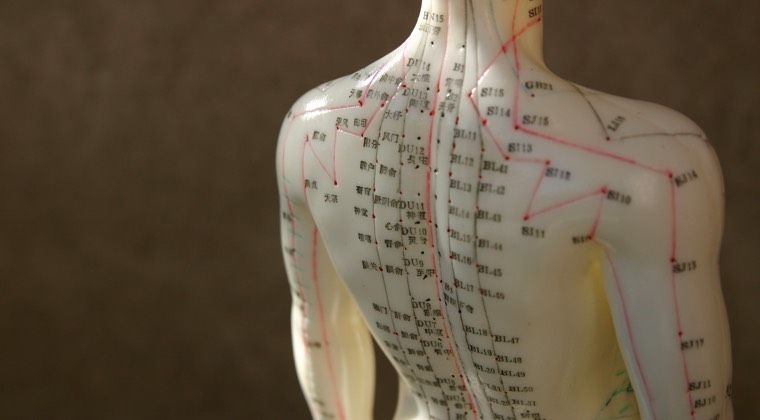
- TCM uses channels that are called meridians.
- Chi or energy flows through the meridians, which run along the body.
- Points that run along the meridians are called acupoints.
- Symptoms of many medical conditions can be treated by stimulating these acupoints.
- Different methods are used to stimulate acupoints.
- Acupressure uses physical pressure applied to acupoints by fingers, thumbs,
elbows, or by using devices. - Self-acupressure is when a person applies pressure in a circular movement to an
acupoint on themselves. - Different acupoints are stimulated depending on what symptoms are being treated.
- Acupressure can also be personalized to match unique symptoms and characteristics of the person being treated.
Please click on the video below to learn about acupressure.
Run time: 11:19 minutes
How does it work?
- Recent studies have shown that acupressure can be useful with chronic pain by reducing stress and anxiety, decreasing pain, improving sleep, and reducing fatigue.
- We don’t yet know how pressing on specific acupoints on the body helps improves symptoms.
- It seems to be related to hormones and changes in the brain that are linked with pain.
- Acupressure has been found to change levels of chemical messengers in the brain. These messengers are called neurotransmitters, which can be responsible for chronic pain symptoms if they are too high or low.
- Acupressure can reduce stress hormones in the body, which helps to decrease anxiety, improve mood and promote better sleep.
- It is currently not known if all acupoints cause the same effects in the brain and body.
- The ways that acupressure works seem to depend on which acupoints are stimulated.
It is important to know which acupoints to press.
- Researchers at the University of Michigan have found that there is a set of acupoints that can help some people manage chronic pain, stress, and fatigue.
- These points are called Stimulated Acupressure Points.
- For an individualized approach to acupressure treatment, please contact a licensed acupuncturist for treatment recommendations.
- Once you know where your acupoints are located, stimulate your acupoints.
- Stimulate each acupoint for 3 minutes using small circular motions.
- You can use the tip of your finger, thumb, device, or a pencil eraser to stimulate the acupoints.
- Use enough pressure to make the point feel warm, tingly or even achy.
- Don’t bruise yourself.
- Do not stop in the middle of stimulating an acupoint.
- Do the acupressure one time each day for 6 weeks.
- Try to choose the same time each day to perform the acupressure.
- Although people have different reactions to acupressure, you may start to feel less pain during the first six weeks of treatment.
- There may also be improvement in other symptoms like sleep or mood if these were causing you problems.
- The acupressure can be stopped after you finish your six weeks of treatment.
- You should continue to experience less pain after you stop.
- If your pain gets worse, feel free to continue doing acupressure once a day.
- Some people like to do acupressure every day.
- Others use booster sessions of acupressure throughout the year.
- Some people never need to do acupressure again.
- Acupressure is generally considered quite safe.
- If you experience bruising at acupoint sites, use less pressure or pause treatment for a few days.
- If bruising persists, stop doing the acupressure – it may not be right for you.
You can find a licensed acupuncturist through the National Certification Commission for Acupuncture and Oriental Medicine (NCCAOM).
Prepared by: Suzanna M. Zick, N.D., MPH (2/2020)
Updated by Beanna Martinez, PhD, OTR/L, and Gerry Hynes, PhD (4/2026)
Please click the link to watch this video on acupressure and pain.
Run time: 8:52 minutes